Websites
Custom design and build, shaped around the business rather than whatever a theme happens to support. Fast, responsive, SEO-ready and genuinely manageable.
About Align Digital
Align Digital designs, builds and operates digital systems — websites, bespoke software, portals, integrations and automation. We start with how a business really works, find the places technology can take the friction out, and then build the right thing around it.
Plenty of businesses come to us for a website, and that is a genuinely good place to start — it is visible, it delivers value quickly and it usually tells us a lot about the operation behind it. But a website is the front door, not the limit.
Behind that door there is normally something more interesting: duplicated admin, a booking process held together by phone calls, customer data living in four places at once, a spreadsheet quietly doing the job of a system nobody ever got round to building. We can keep going into that, with the same engineering mindset either way — understand the actual job, make sensible technical decisions, and build something the business can still live with in a few years.
See what that looks like in practice →What we work on
Most of our projects sit across several of these at once, which is rather the point — you are not coordinating four suppliers who each own a fragment of the problem.
Custom design and build, shaped around the business rather than whatever a theme happens to support. Fast, responsive, SEO-ready and genuinely manageable.
Web applications, dashboards, internal tools and platforms built for a specific operation instead of bent into shape from something generic.
Somewhere for your customers to log in, see their own information, place orders, manage accounts and get answers without going through a person.
The operational tools a business runs on day to day — jobs, stock, scheduling, records, approvals, reporting.
Selling online properly: products, payments, fulfilment and the back-office work that comes with an order after the checkout page.
Availability, reservations, capacity, orders and the rules that decide what can actually be accepted and when.
Connecting the systems you already pay for — accounting, CRM, Microsoft 365, payments, suppliers — so information stops being re-typed between them.
Taking the repetitive, rule-based digital work off people and handing it to software that will do it the same way every time.
Mapping how the work actually flows, then removing the steps that only exist out of habit before automating anything.
Getting data out of the places it is stuck, moving it where it is useful, and turning it into something a decision can be made from.
Hosting, deployment, monitoring, backups and the unglamorous technical work that keeps a live system live.
Ongoing ownership across systems, processes, integrations and automation — keeping a roadmap, fixing friction and delivering the next useful improvement after launch.
Go deeper on any of it: websites, business systems, automation, integrations and APIs or managed digital operations.
We can pick a project up at any point along this line, and we are just as happy joining an existing system as starting from a blank page. What we try not to do is build something beautiful, hand over the keys and disappear before anyone finds out whether it fits.
The people behind Align Digital
You deal with the people doing the work. No account-manager relay race, no handover to a delivery team you have never met.
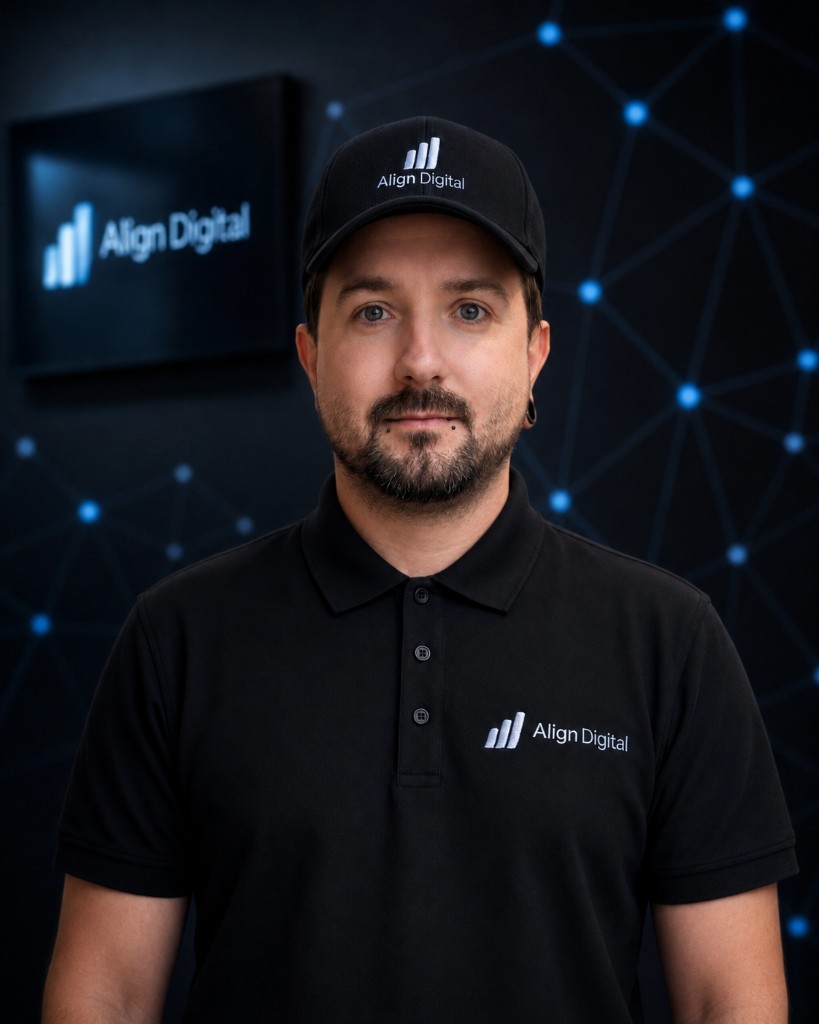
Founder
Founder & Technical Director
Mykee works at the point where the business side and the technical side of a project meet. Most engagements start with him understanding how a company actually operates — where the time goes, which steps exist only because someone once decided they should, and what the data is really doing — before any architecture or design work begins. From there it is solutions and system architecture, data modelling, integrations and lead development, through build, launch and whatever the business needs after that.
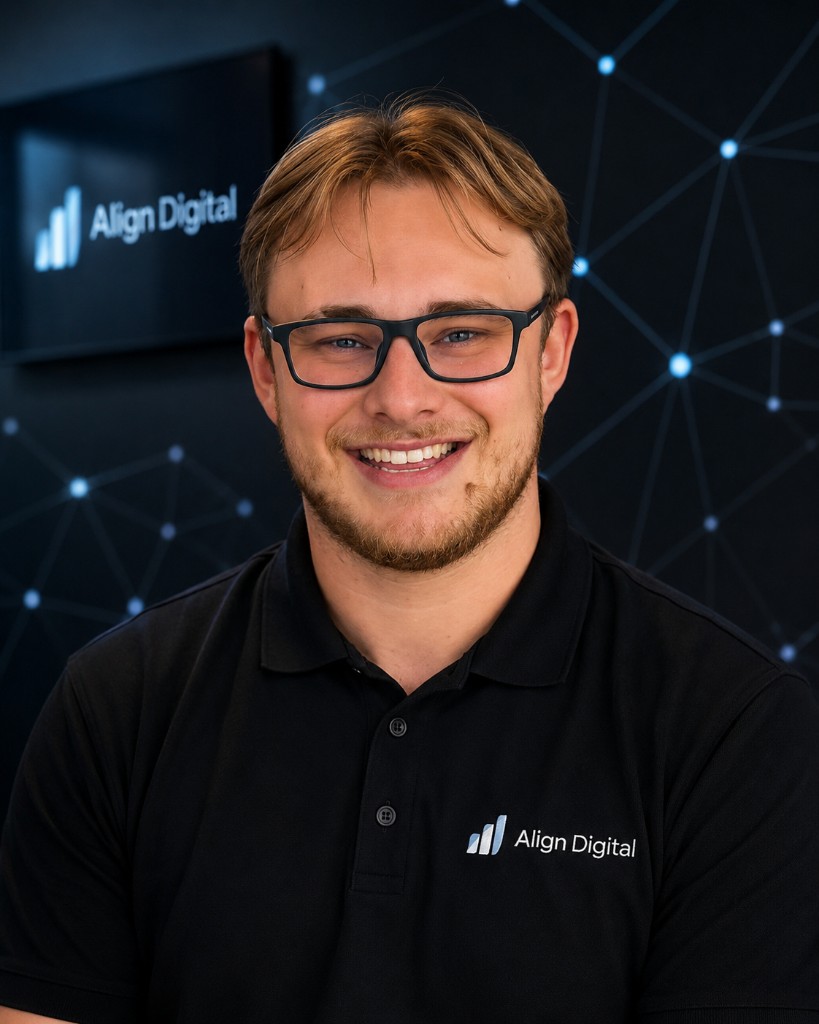 Design + build
 Designer & Developer
Nathan works on the line where a design becomes a working interface. Visual direction, UI and UX, brand implementation and front-end development all sit with him, which means the thing that gets designed is the thing that gets built rather than a picture someone has to reinterpret in code. He is typically involved from early concepts through to the finished, responsive production front end.
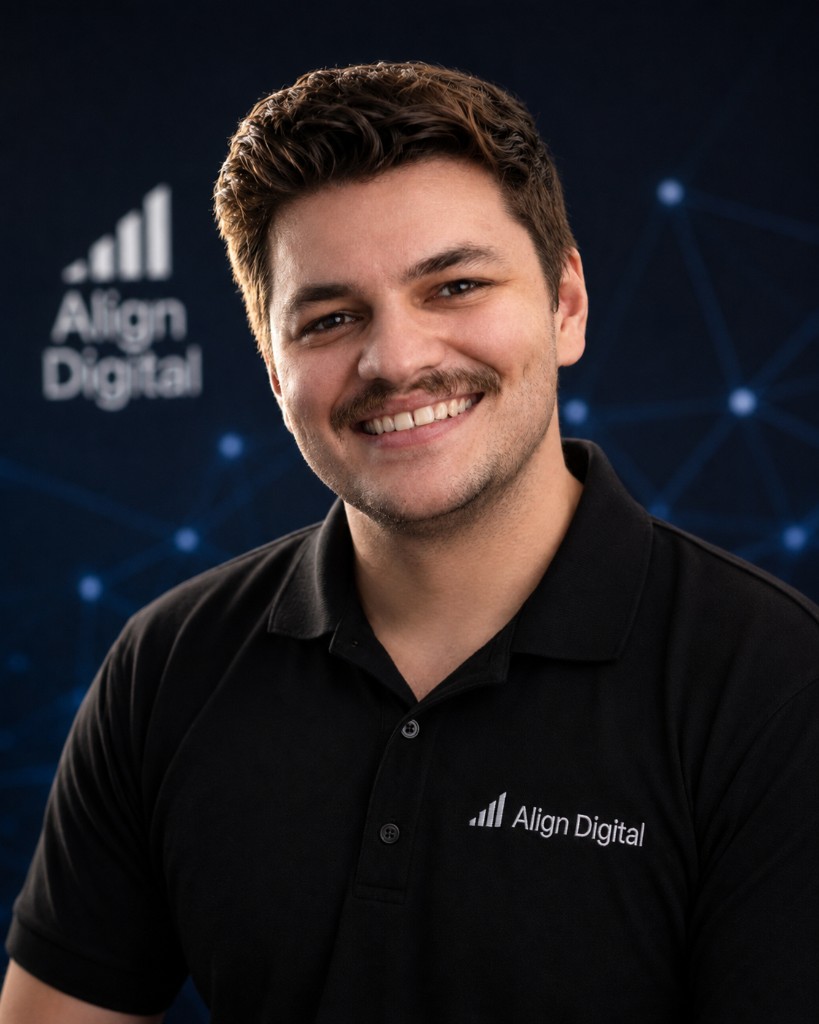 Quality
 Quality & Process Analyst
Reece tests the logic, not just the buttons. He works complete user journeys and business processes end to end, comparing what a system actually does against what it is supposed to do, and questioning the assumptions built into it along the way. That means finding the gaps in a workflow, the edge cases nobody planned for, and the moments where a screen makes perfect sense to the person who built it and none at all to the person who has to use it every day.
 Operations
 Operations & Build Support
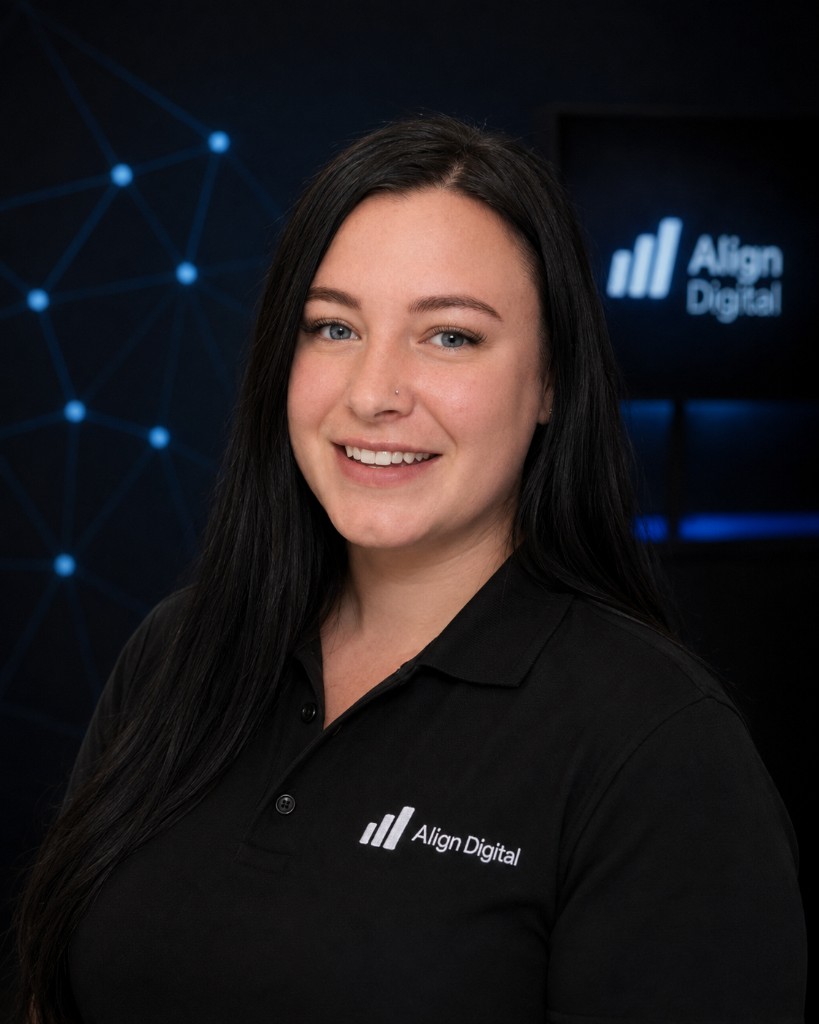
Sophie keeps builds moving. Project and administrative support, functional checking, documentation and structured data all run through her, along with the coordination that keeps a build in sequence. A growing part of that is supporting our AI-assisted development workflows — routing structured instructions, outputs and implementation detail between the tools and environments involved in a build so nothing is lost between steps.
 Next generation
 Digital Development Trainee
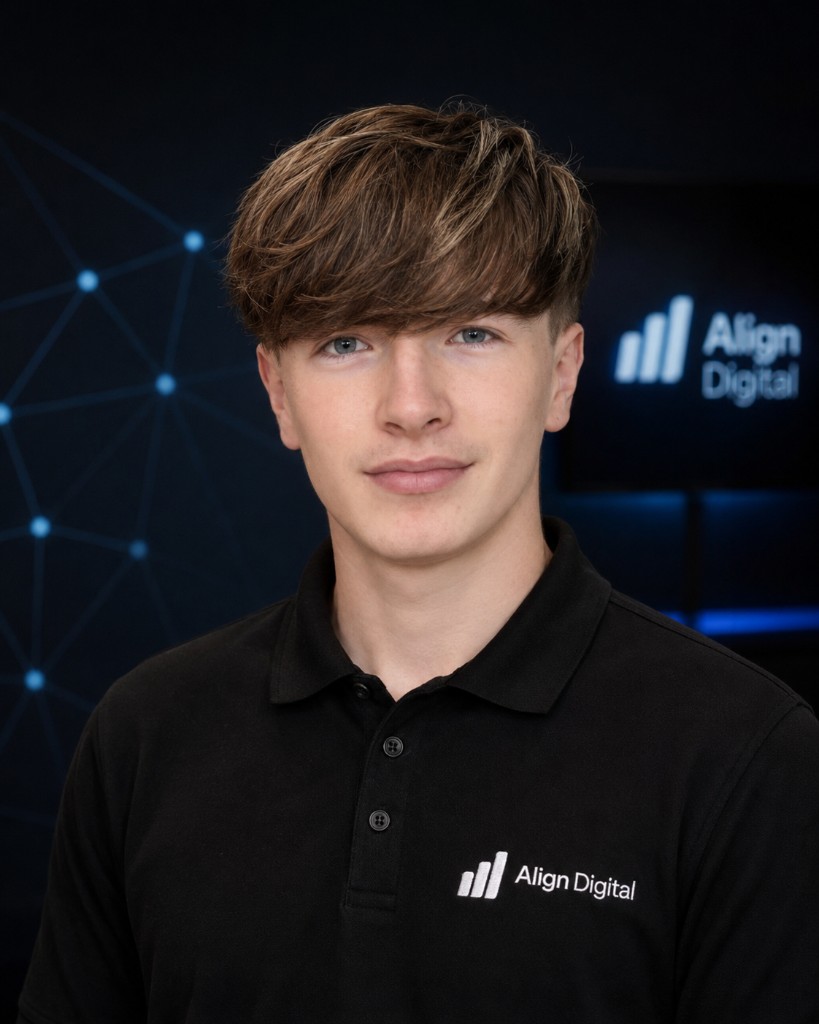
Charlie is learning digital development the way we think it is actually learned: by building things. He works on real features, interface improvements, testing and optimisation, and gets room to try an approach and find out where it leads — with modern AI-assisted tooling as part of the day-to-day. Everything he contributes is supervised and reviewed before it goes anywhere near production. Bringing new people into this industry properly matters to us, and that means giving them real work.
Humans + automation
We are not trying to automate judgement, creativity or the relationship a business has with its customers. Those are the parts people are genuinely good at, and no amount of software improves them.
What we are trying to remove is the other half of the working day — the copying, the checking, the re-typing, the chasing. When that goes to software, the people you employ get their time back for the work you actually hired them to do. That is the whole idea behind Ada.

Ada is a system, not a colleague. This is simply the face we give our automation layer so it is easier to talk about.
Meet Ada
Ada is our always-on operations layer: the monitoring, integrations, scheduled processes and intelligent automation that handle predictable digital work quietly in the background.
Every business still pays people to do an enormous amount of entirely predictable work. Open one system, read a number, type it into another. Check a status. Send the same email again. Save the document, rename the file, update the spreadsheet, run the report, create the record, chase the thing that hasn’t come back yet.
Where that work follows rules, Ada can usually do it — or do enough of it that a person only has to handle the exception. And it runs inside the systems we build and manage for customers, not just our own.
What Ada can take on
Watching sites and systems, running automated checks, detecting errors and faults, verifying that integrations are still talking to each other, and raising it when something looks wrong.
Checking for software updates, tracking known issues and fixes, monitoring for vulnerabilities and flagging what needs dealing with before it turns into a Monday morning.
Ongoing SEO monitoring, spotting improvements worth making and applying the ones that have been authorised — rather than reporting the same problem to you every month.
Moving and synchronising information between systems that were never designed to speak to each other, keeping records consistent, and handling the data entry nobody enjoys.
Preparing and issuing invoices, generating routine documents and records, filing and organising files, and checking submitted information is actually complete.
Processing inbound email, sending routine notifications, confirmations and follow-ups, and keeping the right people informed without anybody remembering to do it.
Running business processes on a schedule, triggering workflows when something changes, and following up the operational tasks that would otherwise slip.
Knowing where its authority ends. When something needs judgement, Ada stops, escalates it to a person and hands over the context rather than guessing.
Ada is the name we give the capability, not a single piece of technology. Depending on the job it might be an integration, a scheduled process, a rules engine, a monitoring routine or genuine AI — and we are not going to put AI into something that works perfectly well without it. The practical test is simpler than the terminology: if a digital task follows a predictable process, there is a good chance we can automate at least part of it.
01Custom means designed for the business, not a theme with different colours.
02Understand the process before writing the software. Automating a bad process just makes it faster.
03Simple is good when simple solves the problem.
04Data, permissions, deployment and maintenance matter as much as the demo.
05We do not need to replace every system to improve the operation.
06Build the smallest sensible thing — then extend it when the value is clear.
07Automate the repetition. Leave the judgement to people.
Alongside direct Align Digital projects, there is hands-on professional experience with or for organisations ranging from local timber and trade businesses through national retail, outsourcing and telecoms.
Professional experience; not all organisations shown were direct Align Digital client engagements.Got something in mind?